Circadian Lighting for the Home: A Wellness Design Guide
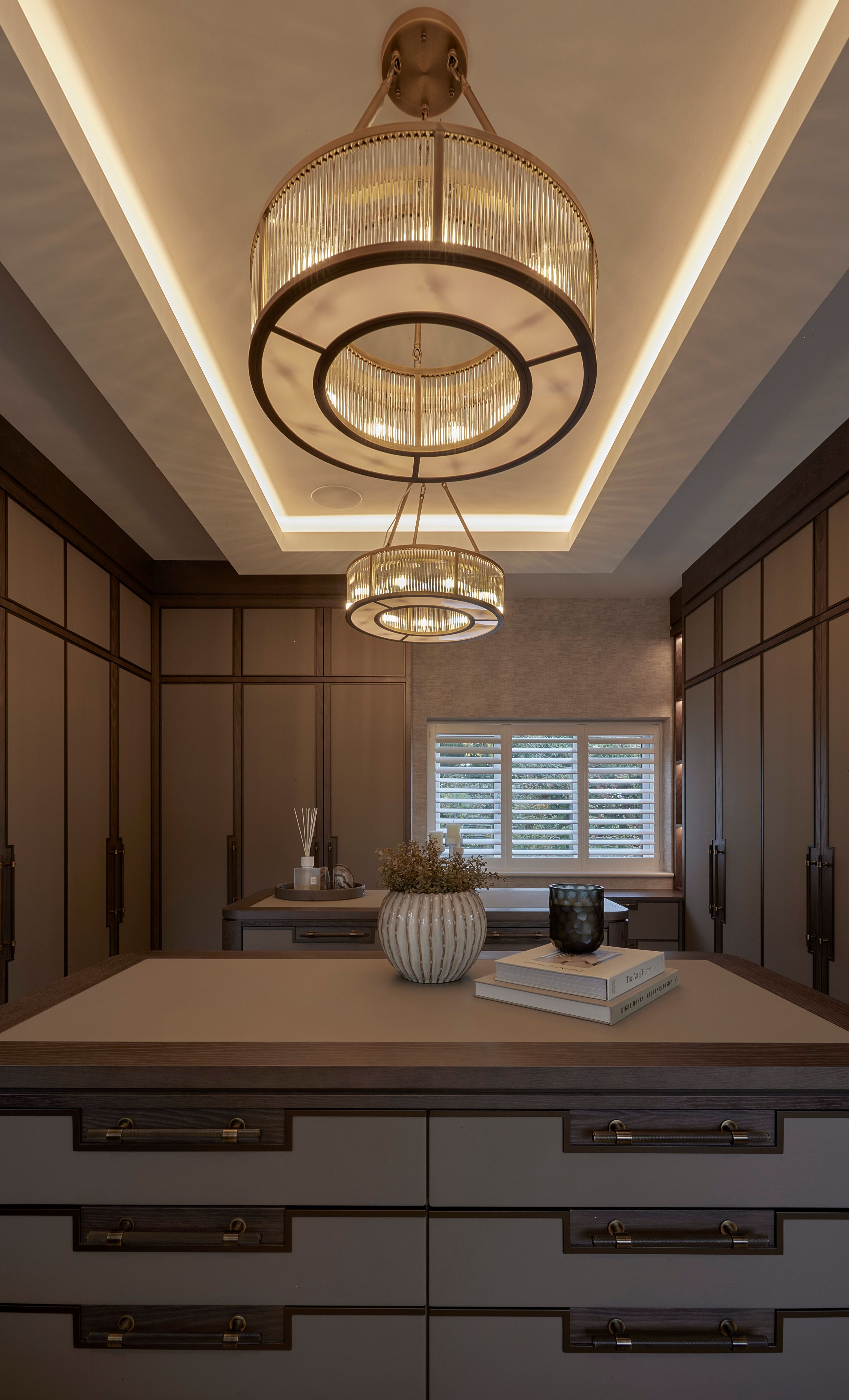
Circadian lighting — also called human-centric or tunable white lighting — adjusts the colour temperature and brightness of a home’s lighting to follow the natural pattern of daylight. Cooler and brighter in the morning and through the day, warmer and dimmer in the evening. It’s one of the few areas of smart home technology with a genuinely evidenced wellness benefit, rather than a marketing claim, and it integrates naturally into a wider lighting control system rather than requiring a separate product line.
This guide explains how it actually works, what the evidence supports, and how to specify it properly rather than as a gimmick tacked onto a lighting scheme.
How circadian lighting works
Human biology reads colour temperature and brightness as time-of-day cues. Bright, blue-rich light in the morning suppresses melatonin production and promotes alertness; warmer, dimmer light in the evening allows melatonin to rise naturally, supporting the wind-down to sleep. Circadian lighting systems automate this shift across the day using tunable white LED fittings capable of changing colour temperature — typically from around 2700K (warm, evening) to 5000–6500K (cool, daytime) — on a programmed schedule that mirrors natural daylight.
This is a different technology from a standard dimmer, which only changes brightness. Tunable white fittings and their control system change both brightness and colour temperature together, and the transitions happen gradually through the day rather than as an abrupt switch.
What the evidence actually supports
Circadian lighting research consistently links appropriately timed light exposure to improved sleep quality, more stable mood, and better daytime alertness and cognitive performance. The effect is strongest for people who spend most of the day indoors with limited natural daylight — which describes a large share of home-working professionals, as well as older residents who may already have reduced melatonin production.
It’s worth being honest about the limits: circadian lighting supports and reinforces a healthy daily rhythm, but it isn’t a substitute for daylight exposure, and it works best as part of a considered approach to a room’s overall light — natural light, artificial light and the schedule of daily life all interacting together, not a single fitting doing all the work.
Where circadian lighting adds the most value
Home offices and studies — supporting daytime alertness during working hours and an appropriate wind-down once work stops, particularly valuable for anyone working from home most of the week.
Bedrooms — a gentle, gradually dimming evening scene and a soft, natural “wake” scene in the morning genuinely help with sleep quality, without resorting to jarring alarms or abrupt lighting changes.
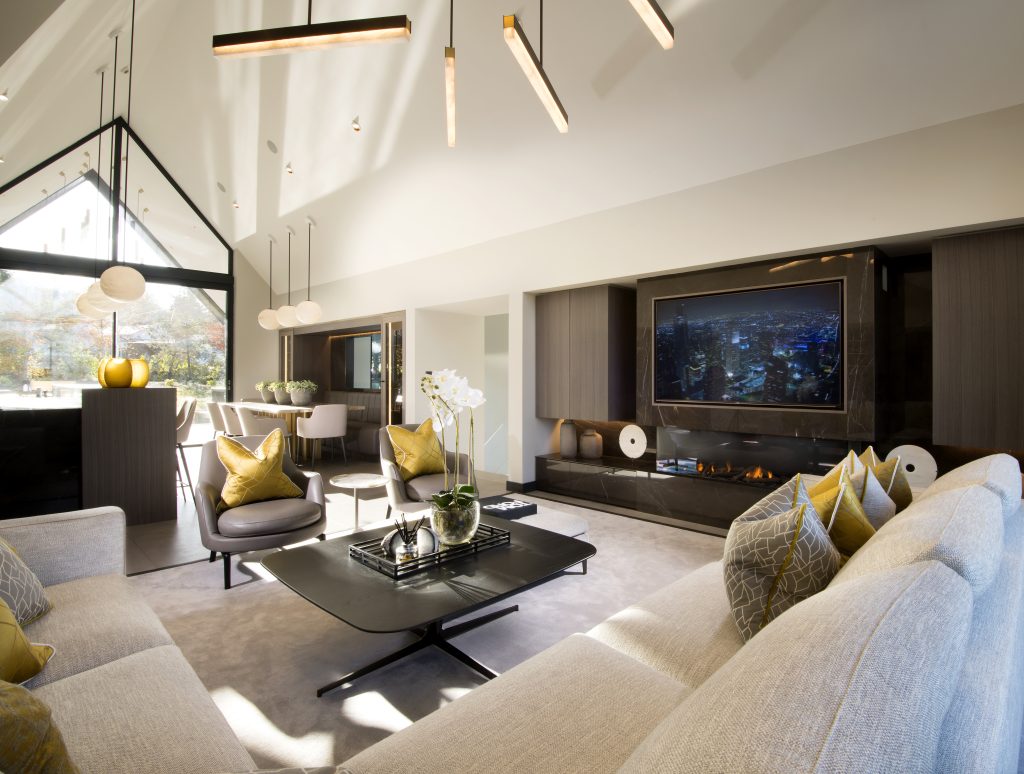
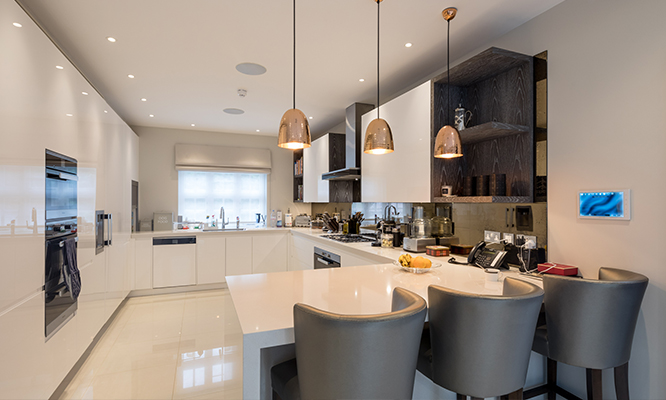
Kitchens and living spaces — rooms used across the whole day benefit from lighting that shifts appropriately rather than staying at one fixed setting from breakfast through to late evening.
Homes for older residents — reduced natural melatonin production makes older residents more sensitive to lighting cues, and a well-programmed circadian system can meaningfully support sleep quality and daytime wellbeing.
Specifying circadian lighting properly
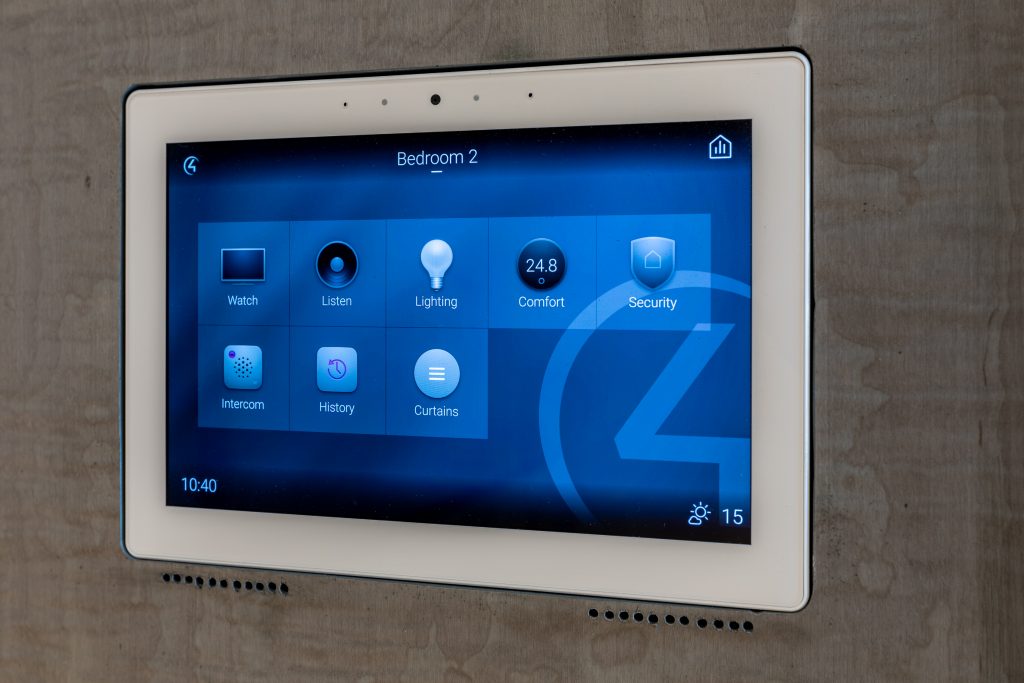
It needs to be part of the control system, not a separate product. Tunable white fittings only deliver the wellness benefit if the colour temperature actually shifts through the day on a considered schedule — this requires proper integration with the home’s lighting control platform (Lutron, Control4 or similar), not a collection of standalone smart bulbs each running their own basic schedule.
The schedule should match the household’s real routine, not a generic template. Someone who wakes at 6am and works from home needs a different curve to a household with school-age children and a later, more social evening pattern. This is commissioning work, done properly during scene programming.
Fitting selection matters. Not every light fitting needs to be tunable — feature lighting and accent fixtures can often stay fixed-temperature, while the main working and ambient light in key rooms benefits most from tunable fittings. A good lighting designer will specify tunable circuits selectively rather than everywhere, to manage both cost and visual consistency.
It integrates naturally with blinds. Motorised blinds that respond to daylight levels work alongside circadian lighting to manage the total light environment in a room through the day — see our smart lighting control guide for how lighting and shading are typically programmed together.
Circadian lighting vs standard dimming
A standard dimmer changes brightness only, and most household lighting is fixed at one colour temperature all day, regardless of the time. Circadian lighting changes both brightness and colour temperature on an automated schedule, without requiring any manual adjustment from the household. The upfront cost is higher, since tunable fittings and drivers cost more than fixed-temperature equivalents, but the running experience requires no extra effort once commissioned — the system does the adjusting.
Typical costs
Tunable white lighting circuits typically cost more than fixed-temperature equivalents, generally in the range of an additional 15–30% on the affected circuits, depending on the fittings specified. Because circadian benefit is strongest in specific rooms — bedrooms, offices, main living spaces — most projects specify tunable circuits selectively rather than throughout the whole house, keeping the additional cost proportionate. See our full smart home cost guide for wider lighting cost context.
Frequently asked questions
What is circadian lighting? Circadian lighting, also called human-centric lighting, automatically adjusts a room’s colour temperature and brightness through the day to mirror the pattern of natural daylight — cooler and brighter in the morning and afternoon, warmer and dimmer in the evening — to support the body’s natural sleep-wake rhythm.
Does circadian lighting actually improve sleep? Research supports a genuine link between appropriately timed light exposure and improved sleep quality, mood and daytime alertness, particularly for people who spend limited time in natural daylight. It works best as part of a considered lighting and daily routine, not as a stand-alone fix.
Is circadian lighting the same as a smart bulb that changes colour? Not quite. Individual colour-changing smart bulbs can approximate the effect in a single fitting, but genuine circadian lighting is programmed as part of a whole-room or whole-home control system, with a schedule tailored to the household and integrated with the rest of the lighting design, rather than run independently room by room.
Which rooms benefit most from circadian lighting? Bedrooms, home offices and main living spaces used throughout the day see the most benefit, along with homes for older residents who may be more sensitive to lighting cues.
Does circadian lighting cost significantly more than standard lighting control? Tunable fittings typically add around 15–30% to the cost of the circuits they’re fitted to, compared with fixed-temperature equivalents. Most projects apply this selectively to the rooms where it adds the most value, rather than throughout the house.
Bring wellness lighting into your home
Circadian lighting works best when it’s designed as part of a considered, whole-home lighting scheme rather than added as an afterthought. Our team can advise which rooms in your home would benefit most and integrate tunable lighting into your wider lighting control system. Get in touch to discuss your project, or browse our portfolio for examples.