Planning a Home Cinema During a Renovation in North Yorkshire
Planning a Home Cinema During a Renovation in North Yorkshire
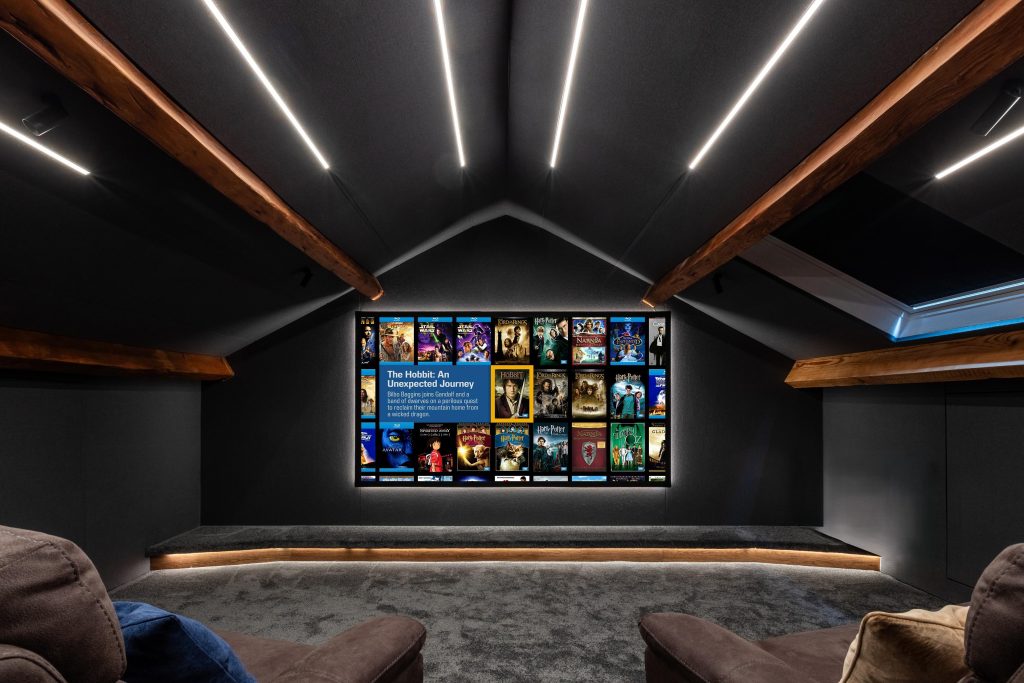
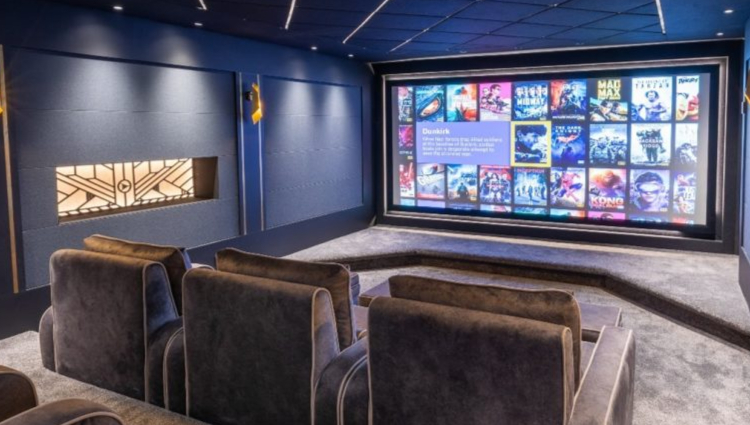
Renovation projects across North Yorkshire present a rare opportunity: the ability to design a home cinema properly from the ground up. When planned at the right stage, a cinema room can be fully integrated into the structure, layout and infrastructure of the property. When left too late, compromises are almost inevitable.
For homeowners, architects and interior designers, early collaboration is what separates a good cinema room from an exceptional one.
This guide explains what needs to be considered when planning a home cinema during renovation, and how to ensure the finished space delivers performance, longevity and ease of use.
Why renovation is the ideal time to install a home cinema
Retrofitting a cinema into a completed property limits what can be achieved. Renovation removes those constraints.
During renovation, you can:
-
Design room dimensions with cinema performance in mind
-
Integrate acoustic treatment into walls and ceilings
-
Conceal cabling and infrastructure completely
-
Plan lighting, ventilation and seating layouts from the outset
-
Future-proof the space for upgrades
This stage allows for a truly bespoke home cinema installation rather than adapting to existing limitations.
Selecting the right space within the property
In North Yorkshire homes, cinema rooms are commonly planned in:
-
Basements
-
Converted garages
-
Outbuildings or annexes
-
Purpose-built extensions
-
Underused formal reception rooms
Room choice should consider:
-
Ceiling height
-
Natural light control
-
Proximity to bedrooms
-
Structural suitability for sound isolation
-
Access and circulation routes
A well-positioned cinema improves usability and long-term enjoyment.
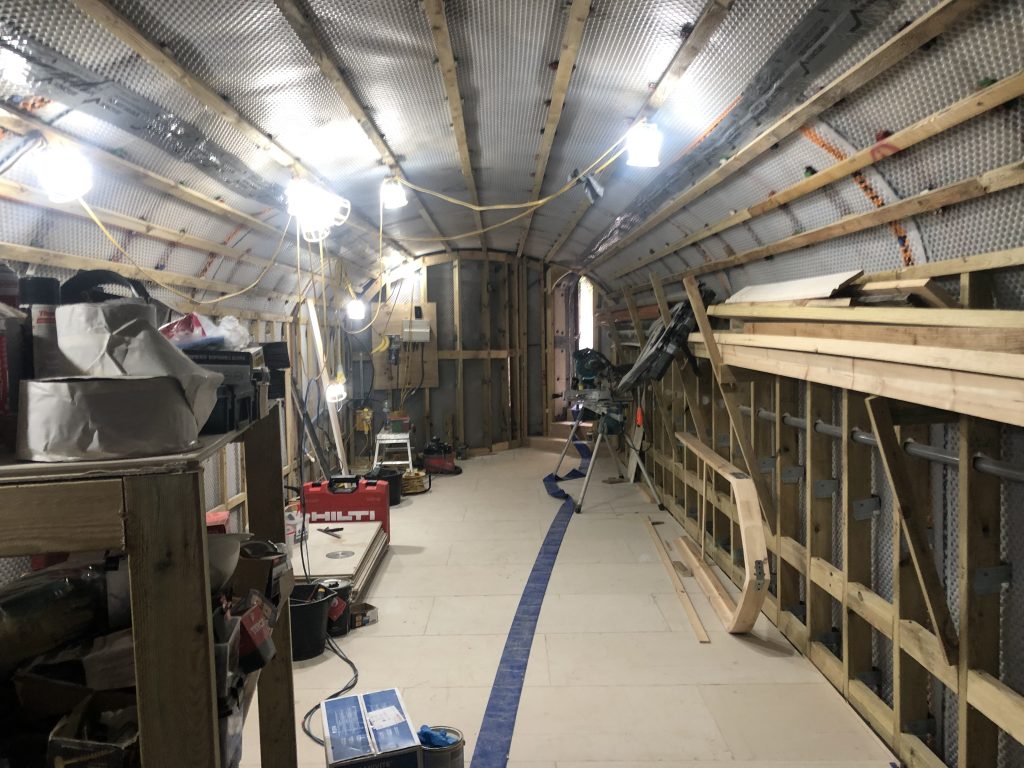
Acoustic design must be planned before walls are closed
Acoustics define the cinema experience. Renovation allows acoustic treatment to be integrated invisibly into the build.
This includes:
-
Acoustic insulation within walls and ceilings
-
Sound isolation to prevent bleed into adjoining rooms
-
Speaker placement planned alongside construction
-
Calibration based on final room geometry
Leaving acoustic planning until after plastering dramatically reduces performance potential.
Infrastructure and cabling: plan once, benefit for years
The most overlooked element of cinema planning is infrastructure.
During renovation, it is possible to:
-
Install dedicated power circuits
-
Route speaker and data cabling cleanly
-
Centralise equipment in a remote rack location
-
Design network coverage properly
This structured approach supports not only the cinema but also wider audio visual integration throughout the home.
Lighting design and ambience control
Lighting should never be an afterthought in a cinema room. Renovation allows lighting to be layered properly.
Considerations include:
-
Step and aisle lighting
-
Feature lighting for architectural detail
-
Indirect wall washing
-
Seamless scene transitions
Cinema lighting is typically integrated into a broader smart lighting control system so that viewing modes, entry lighting and ambient scenes work together effortlessly.
Integration with the wider smart home
Many renovation projects in North Yorkshire include broader smart home upgrades. Planning the cinema alongside these systems ensures cohesion.
Integration allows:
-
One-touch control of audio, video, lighting and climate
-
Remote access and monitoring
-
Multi-room audio distribution
-
Automated heating adjustments during viewing
This level of control is delivered through a professionally designed smart home automation system rather than standalone remotes and apps.
Ventilation, comfort and usability
Cinema rooms often run warm due to equipment and occupancy. Renovation allows HVAC planning to accommodate this from the outset.
Key elements include:
-
Silent ventilation systems
-
Climate zoning
-
Equipment cooling
-
Comfortable seating layouts based on screen position
Ignoring environmental planning leads to rooms that are technically impressive but uncomfortable to use.
Working with architects and interior designers
Successful cinema projects are collaborative. Early engagement ensures:
-
Technology complements architectural intent
-
Equipment is concealed within joinery
-
Seating layouts support interior design goals
-
Acoustic treatment integrates with finishes
Bringing cinema design into architectural drawings avoids late-stage changes and compromises.
Multi-use cinema spaces in renovated homes
Not every renovation includes a dedicated theatre-style room. Many North Yorkshire homeowners prefer flexible spaces.
Common requirements include:
-
Cinema and sports viewing
-
Gaming environments
-
Casual family media rooms
-
Entertaining spaces
Planning these uses during renovation ensures the room functions across multiple scenarios without sacrificing performance.
Why early planning prevents compromise
The difference between a retrofit cinema and a renovation-led cinema lies in integration.
When planned early:
-
Technology disappears into the architecture
-
Performance is engineered into the structure
-
Control remains intuitive
-
Future upgrades are straightforward
When added late, visible cabling, compromised acoustics and control complexity often follow.
Planning a home cinema renovation in North Yorkshire
Renovating a property in North Yorkshire provides the perfect opportunity to create a truly bespoke cinema environment. The key is engaging with professional design at the earliest stage of the project.
By integrating cinema planning into the architectural and interior process, homeowners ensure their new space delivers immersive performance, discreet technology and long-term reliability.
If you are renovating and considering a home cinema, early consultation will shape what is possible and ensure the finished result reflects both the property and the way you live.