Installing Smart Technology in Period Homes Across North Yorkshire

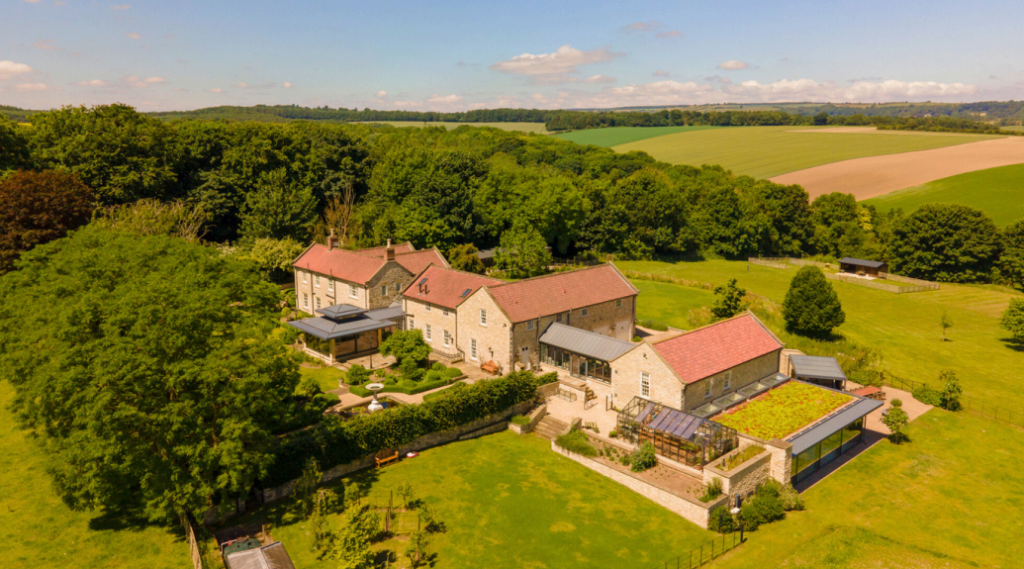
North Yorkshire is home to a wide range of period properties, from Georgian townhouses and Victorian villas to stone-built farmhouses and listed country homes. These properties offer character and architectural quality that modern builds often lack. They also present unique challenges when it comes to installing smart home technology.
This article explains how smart technology can be integrated into period homes without compromising aesthetics, structure, or heritage value, and why professional design is essential for successful results.
Why Period Homes Require a Different Approach
Period properties were not designed with modern infrastructure in mind. Thick stone walls, solid floors, irregular layouts and heritage restrictions all influence how technology can be installed.
Common challenges include:
- Limited or no existing cable routes
- Restrictions on drilling or surface-mounted equipment
- Preservation of original features and finishes
- Inconsistent Wi-Fi coverage due to construction materials
These factors make off-the-shelf smart products unreliable and visually intrusive. As a result, most successful projects rely on bespoke smart home automation systems, designed specifically for the property rather than adapted afterwards.
Learn more about this approach here:
Discreet Infrastructure Planning
The most important stage of any smart home installation in a period property is infrastructure planning.
This typically includes:
- Designing cable routes that avoid visible disruption
- Using existing voids, chimneys, cupboards and plant rooms
- Centralising equipment in discreet rack locations
- Planning network coverage to avoid visible access points
When planned correctly, the technology becomes largely invisible, preserving the character of the home while delivering modern performance.
This design-led approach sits at the heart of Bespoke Smart Home Design.
Smart Lighting Control in Heritage Interiors
Lighting control is one of the most effective upgrades for period homes, provided it is implemented sensitively.
Rather than replacing fixtures, modern systems focus on controlling circuits intelligently.
Typical solutions include:
- Scene-based lighting using existing fittings
- Minimalist keypads finished to suit traditional interiors
- Automated exterior lighting for pathways and gardens
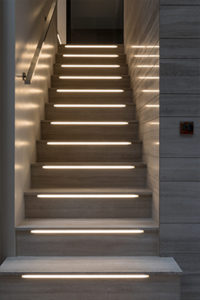
- Subtle accent lighting to highlight architectural features
These systems form part of a wider Smart Lighting Control solution and often remove the need for multiple wall switches entirely.
Heating and Climate Control in Older Properties
Temperature regulation is a common frustration in period homes. High ceilings, solid walls and older heating systems often result in uneven comfort.
Smart heating systems address this by:
- Creating multiple heating zones across the property
- Integrating radiators, underfloor heating and heat sources
- Allowing remote access and scheduling
- Reducing wasted energy without sacrificing comfort
When integrated into a full smart home automation platform climate control becomes intuitive and largely self-managing.
Audio, AV and Home Cinema Without Visual Compromise
Home audio and cinema systems are increasingly popular in North Yorkshire period homes, but visual impact is a key concern.
Modern installations focus on:
- Hidden or plaster-in speakers
- Flush-mounted or concealed displays
- Equipment located remotely from living spaces
- Simple control via discreet interfaces
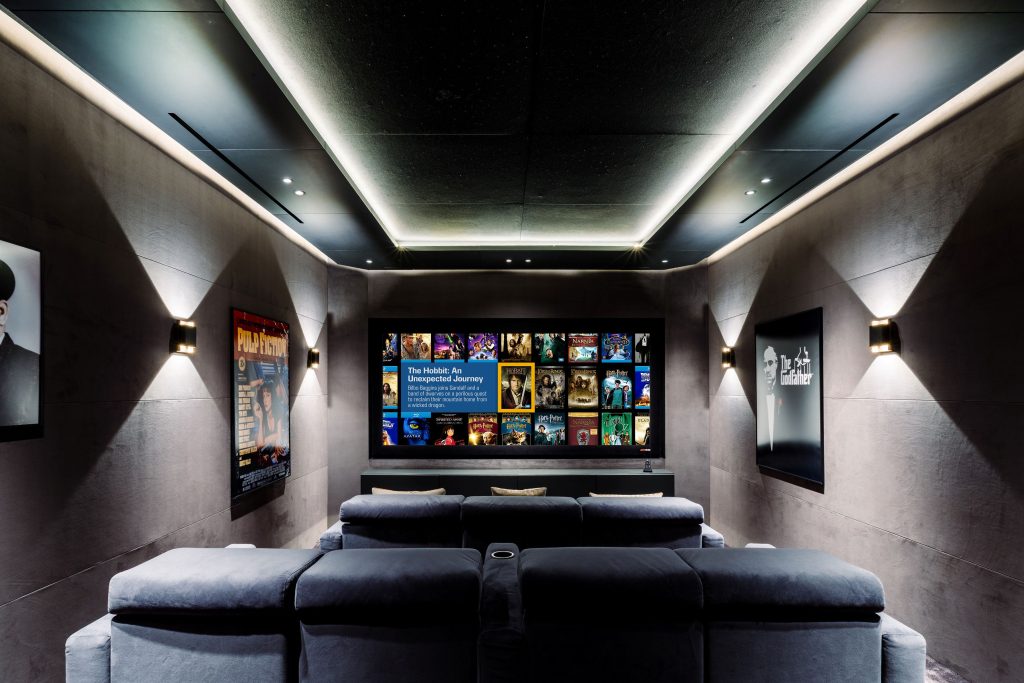
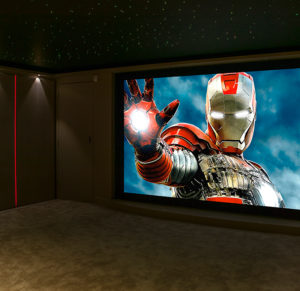
For dedicated rooms, many homeowners opt for built-in home cinema solutions that balance performance with subtle design. Whole-house systems are typically delivered as part of an integrated Audio Visual solution.
Smart Security for Larger and Rural Properties
Many period homes in North Yorkshire sit on larger plots or rural locations, making security a priority.
Integrated smart security systems often include:
- CCTV with remote viewing
- Smart entry systems and gates
- Automated lighting responses to movement
- Integration with alarms and mobile notifications
Rather than standalone devices, these features work best when deployed as part of a Smart Home Security system that communicates with the wider home.
Listed Buildings and Planning Considerations
For listed properties, additional care is required.
Key considerations include:
- Minimising permanent alterations
- Avoiding damage to original fabric
- Using reversible installation methods
- Coordinating with conservation officers when required
A professional integrator will design systems that meet both technical requirements and planning constraints, ensuring compliance without limiting performance.
Why Professional Design Is Essential
Installing smart technology in a period home is not about adding gadgets. It is about careful design, integration and long-term reliability.
Professional design ensures:
- Technology complements the architecture
- Systems remain easy to use
- Infrastructure supports future expansion
- Ongoing support is available
This approach avoids the common pitfalls of piecemeal upgrades and unreliable consumer systems.
Planning Smart Technology for a Period Home in North Yorkshire
Whether you are renovating, extending or upgrading a period property, early planning is critical. The best smart home installations are designed alongside architectural and interior plans, not added at the end.
If you are considering smart technology for a period home in North Yorkshire, a bespoke design-led approach will protect the character of your property while delivering modern comfort, control and security.