Home Cinema Design for Basement Conversions in North Yorkshire
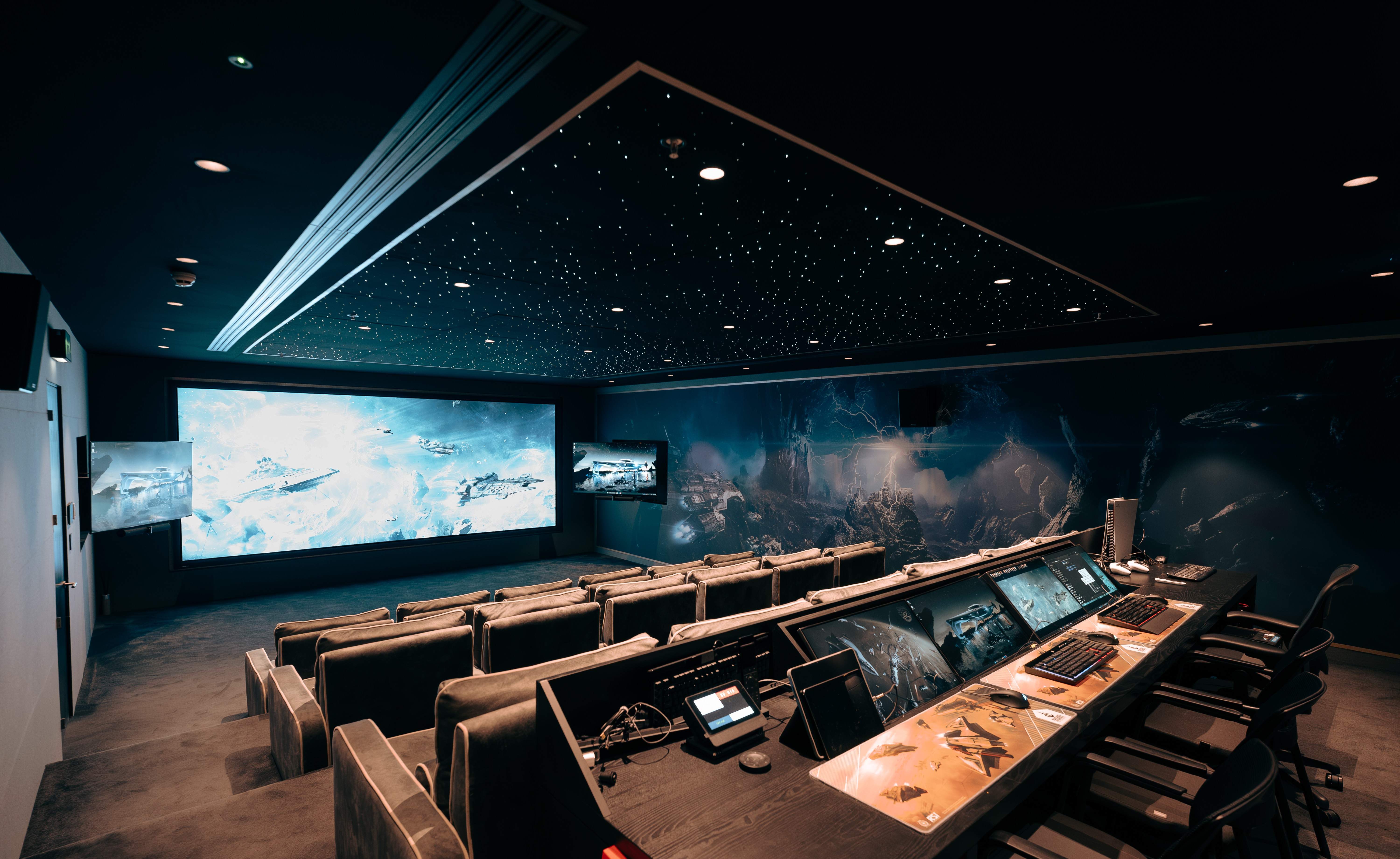
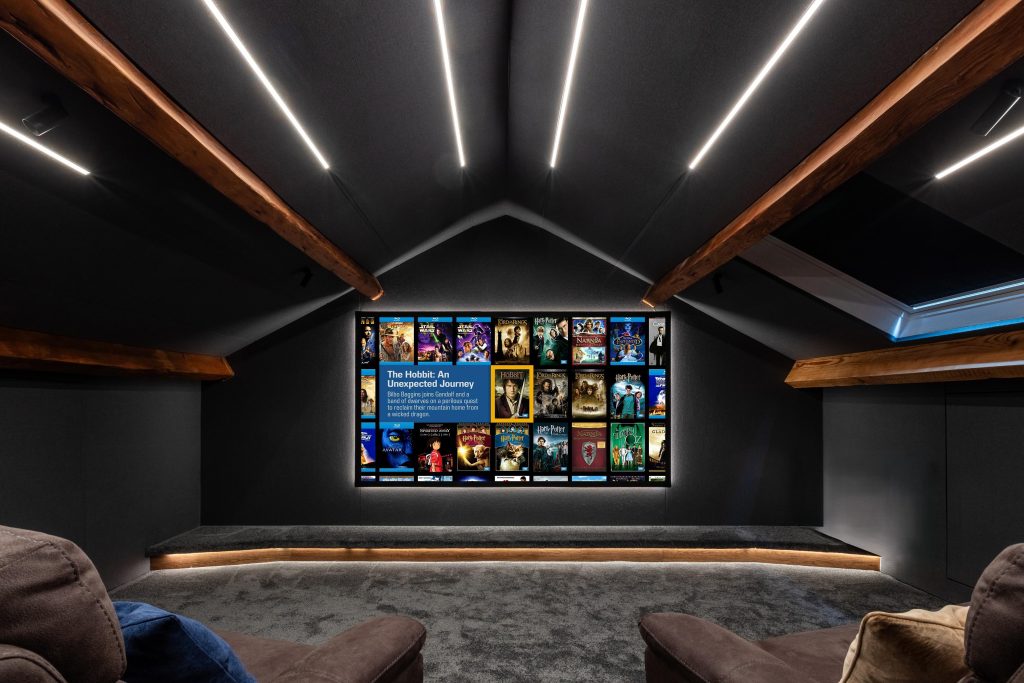
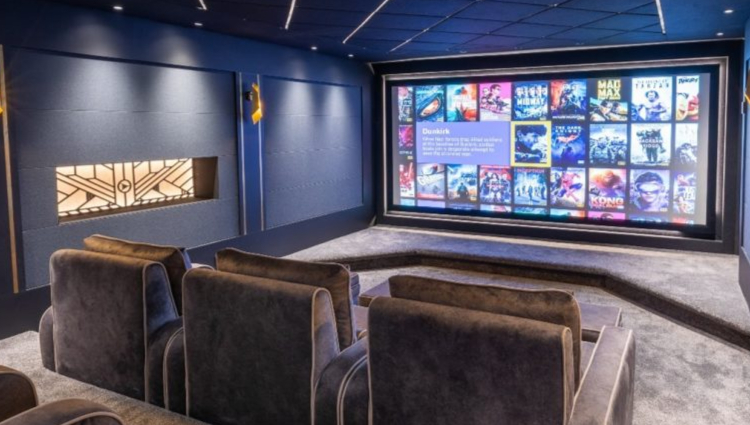
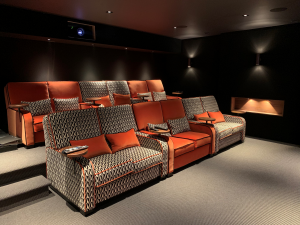
Basement conversions are one of the most effective ways to create a dedicated home cinema in North Yorkshire. Large detached homes, countryside properties and period renovations often include underused lower-ground space that can be transformed into immersive entertainment environments.
However, designing a cinema in a basement is not simply about installing a screen and speakers. Structural conditions, acoustics, ventilation and infrastructure must all be considered early to ensure long-term performance and reliability.
This guide explains what homeowners, architects and designers need to plan when incorporating a bespoke home cinema into a basement conversion.
Why basements are ideal for home cinemas
Basements offer natural advantages for cinema design:
-
Reduced natural light intrusion
-
Structural separation from main living areas
-
Greater flexibility for acoustic treatment
-
Potential for fully enclosed viewing environments
These characteristics allow for a more immersive experience compared to open-plan or multi-use spaces.
When designed correctly, basement conversions provide the perfect foundation for a dedicated home cinema installation.
Ceiling height and room proportions
One of the first considerations in a basement cinema is ceiling height. Lower ceilings are common in converted spaces and must be factored into screen size, speaker positioning and lighting design.
Key planning considerations include:
-
Maintaining adequate headroom after acoustic treatment
-
Ensuring correct viewing angles based on seating layout
-
Planning projector or display placement early
-
Avoiding oversized screens in restricted spaces
Careful dimension planning prevents visual strain and ensures balanced sound coverage throughout the room.
Acoustic isolation and sound control
Basements can offer strong structural isolation, but they also present challenges such as echo from hard surfaces and vibration transfer through structural elements.
Effective acoustic planning includes:
-
Acoustic insulation within walls and ceilings
-
Sound isolation to prevent transfer to upper floors
-
Speaker positioning aligned with room geometry
-
Treatment panels integrated into interior finishes
Acoustics must be designed before final finishes are installed. Retrofitting later compromises performance.
Ventilation and climate management
Cinema rooms generate heat from both equipment and occupancy. In basement environments, ventilation becomes critical.
Professional design accounts for:
-
Silent air circulation
-
Dedicated cooling for equipment
-
Humidity control
-
Zoned climate integration
Integrating climate control into a wider smart home automation system ensures temperature adjusts automatically during viewing sessions.
Lighting design in below-ground spaces
Basements require thoughtful lighting design to avoid creating overly dark or flat environments when the cinema is not in use.
Effective planning includes:
-
Layered lighting zones
-
Step and pathway lighting
-
Feature wall illumination
-
Scene-based lighting transitions
Cinema lighting is typically delivered as part of a fully integrated smart lighting control solution allowing homeowners to shift from entry mode to full viewing mode seamlessly.
Equipment placement and infrastructure
One of the major advantages of basement conversions is the ability to centralise equipment discreetly.
Planning should consider:
-
Dedicated equipment racks
-
Structured cabling for audio and data
-
Isolated power supplies
-
Network infrastructure capable of supporting high-bandwidth streaming
This approach aligns with broader audio visual integration throughout the property.
Moisture protection and long-term reliability
Basements require careful environmental planning to protect high-value equipment.
Design considerations include:
-
Proper waterproofing during conversion
-
Vapour barriers and damp control
-
Elevated rack positioning where appropriate
-
Long-term service access
Ignoring environmental factors can reduce system longevity and performance.
Dedicated cinema vs multi-use basement space
Some homeowners choose a fully dedicated theatre-style room. Others prefer a flexible basement media space.
Dedicated cinema rooms prioritise:
-
Acoustic performance
-
Controlled lighting
-
Tiered seating layouts
-
Maximum immersion
Multi-use spaces may combine:
-
Cinema and sports viewing
-
Gaming
-
Casual TV
-
Entertaining areas
The decision should be made early, as it influences layout, equipment specification and structural planning.
Working alongside architects and contractors
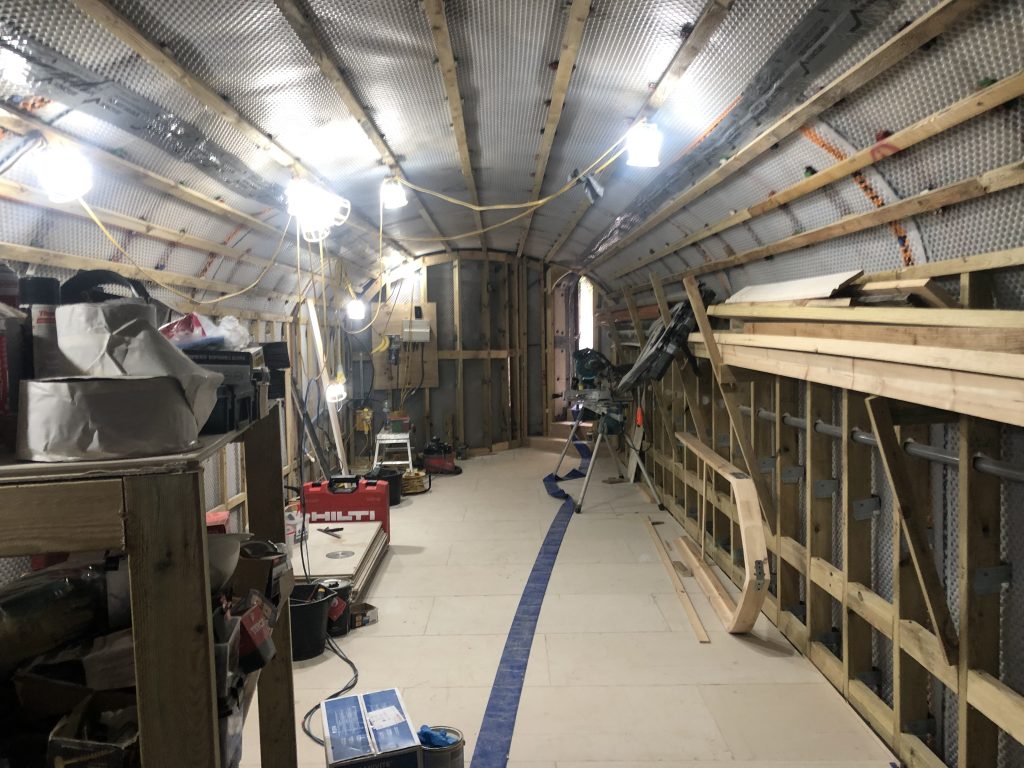
Basement conversions involve multiple trades. Coordinating cinema design with architects, builders and interior designers prevents clashes and delays.
Early collaboration ensures:
-
Cable routes are protected
-
Acoustic detailing integrates with structural design
-
Lighting layouts complement interior finishes
-
Equipment storage is planned properly
Engaging a professional integrator early avoids last-minute compromises.
Planning a basement home cinema in North Yorkshire
Basement conversions in North Yorkshire present an opportunity to create a purpose-built cinema environment that feels integrated, refined and immersive.
The key to success lies in early-stage design. When acoustics, lighting, ventilation and infrastructure are engineered into the structure of the space, the result is a cinema that performs consistently and discreetly for years to come.
For homeowners planning a basement conversion, integrating cinema design from the outset ensures the space delivers both technical excellence and seamless usability.